A Journey into the Heart of Vanilla Cake
There’s something undeniably special about a vanilla cake. It’s more than just a dessert; it’s a vessel for memories, a centerpiece at celebrations, and a bridge connecting generations. As a Southern cook, I believe that food carries stories, and a well-made vanilla cake holds the essence of love, laughter, and togetherness. In this guide, we’ll explore a Vanilla Cake recipe that not only tantalizes the taste buds but also evokes nostalgia, reminding us of family gatherings and heartfelt moments.
Join me as we delve into the ingredients, techniques, and little secrets that will make your baking experience a joyful one. Whether you’re a seasoned baker or a novice, you’ll find the warmth and love infused in every step of this recipe.
Why You’ll Love This Recipe
- Perfectly moist crumb: The combination of egg whites and buttermilk creates a cake that is incredibly tender and moist, ensuring each bite is a delight.
- Flavorful depth: The addition of vanilla bean paste and almond extract adds a rich, layered flavor profile that elevates the classic vanilla taste.
- Versatility: This cake serves as a blank canvas—you can dress it up with various frostings or keep it simple. It adapts beautifully to any occasion.
- Easy to make: With straightforward steps and readily available ingredients, this recipe makes baking accessible and enjoyable for everyone.
- Memorable gatherings: Baking this vanilla cake will create cherished moments with friends and family, as sharing food is an expression of love.
Ingredients Breakdown
Let’s gather our ingredients. Each component plays a crucial role in achieving that perfect vanilla cake:
- 4 cups cake flour (480 g): Essential for a light and fluffy texture. If you don’t have cake flour, you can substitute with all-purpose flour by removing 2 tablespoons per cup and replacing it with cornstarch.
- 2 teaspoons baking powder (10 ml): This is our leavening agent, helping the cake rise beautifully.
- 1 teaspoon baking soda (5 ml): Works with the acidity of buttermilk to create a tender crumb.
- 1 teaspoon salt (5 ml): Enhances the sweetness and balances flavors.
- 170 g coconut oil (room temperature): Adds moisture and a subtle coconut flavor. You can use vegetable oil if you prefer.
- 170 g butter (room temperature, 1.5 sticks): For richness and flavor, ensuring a tender texture.
- 2 ½ cups granulated sugar (500 g): Sweetness is key, and this will help create a lovely caramelized crust.
- 8 egg whites: Provides structure without the fat of the yolks, contributing to a fluffy texture.
- 2 tablespoons vanilla bean paste: For that rich, aromatic vanilla flavor.
- 2 teaspoons vanilla extract: A must-have for depth of flavor.
- 1 teaspoon imitation vanilla extract (optional): Adds nostalgic box cake flavor. Feel free to leave it out if you prefer a purer vanilla taste.
- 1 teaspoon almond extract (optional): If you’re an almond lover, this adds a lovely warmth.
- 2 cups buttermilk (480 ml): Ensures moisture and a tender crumb. If you don’t have buttermilk, mix 2 cups of milk with 2 tablespoons of vinegar or lemon juice and let sit for 10 minutes.
- 2 sticks butter (226 g or 1 cup): This is for the icing, adding creaminess.
- 1 stick cream cheese (226 g or 8 ounces): For a rich and tangy frosting.
- 1/2 teaspoon salt: Balances sweetness in the frosting.
- 1/2 teaspoon almond extract (optional): Adds a delightful hint of flavor to the icing.
- 2 tablespoons vanilla bean paste or 1 teaspoon vanilla: More vanilla flavor for the icing.
- 6-8 cups powdered sugar: Sweetness and structure for the frosting.
Steps to Baking Your Vanilla Cake
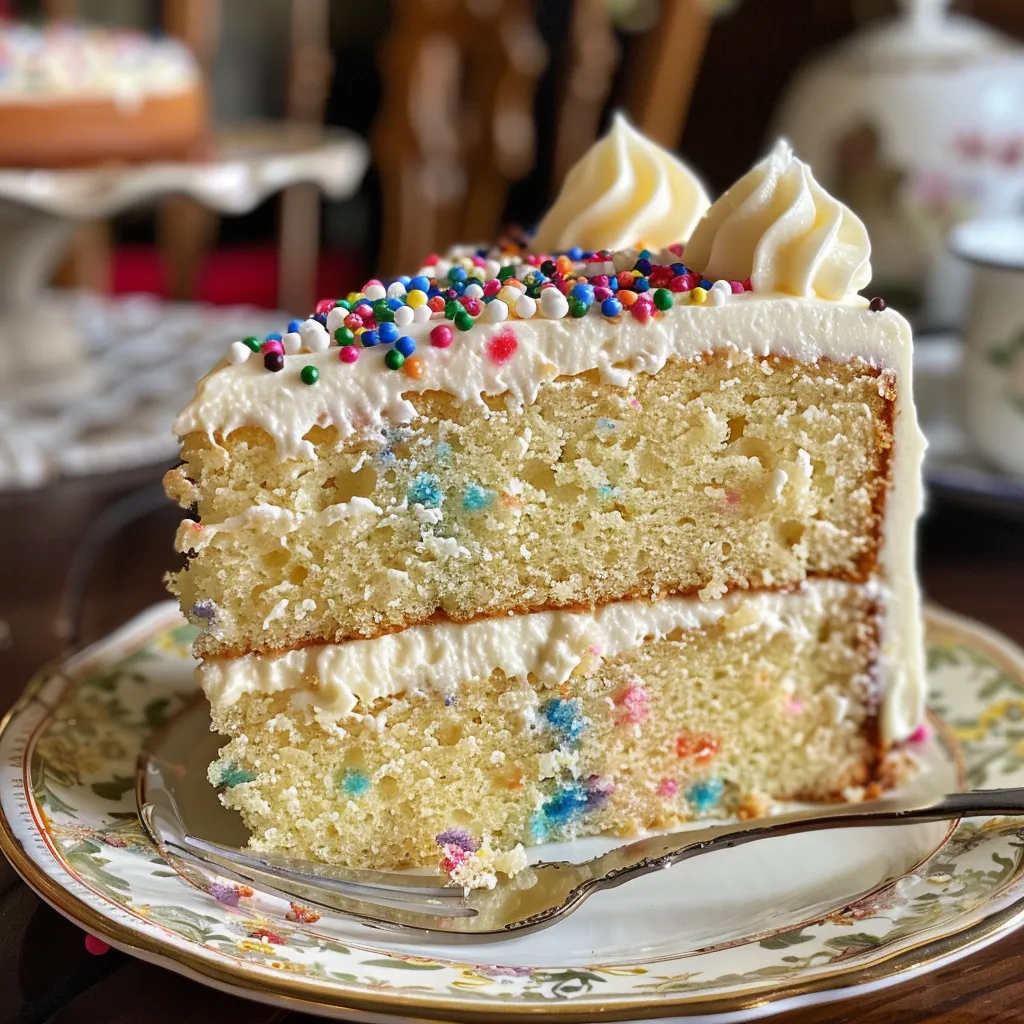
Now that we have our ingredients, let’s get our hands floury and start baking! Follow these steps for a delightful experience:
- Preheat the oven: Set your oven to 350°F (180°C). Grease three 8” cake pans and line them with parchment paper to prevent sticking.
- Mix dry ingredients: In a medium bowl, whisk together the cake flour, baking powder, baking soda, and salt. Set aside.
- Cream the fats: In a stand mixer or a large bowl, cream together the softened butter, coconut oil, and sugar until pale and fluffy—about 5 minutes on medium-high speed. Scrape down the sides halfway through to ensure even mixing.
- Add egg whites: With the mixer running, slowly pour in the egg whites, whipping for an additional 1-2 minutes until fully incorporated.
- Incorporate extracts: Add in the vanilla bean paste, vanilla extract, and almond extract (if using) and mix until just combined.
- Combine dry and wet ingredients: Reduce the mixer speed to low. Gradually add 1/3 of the flour mixture, followed by ½ of the buttermilk. Repeat this process, ending with the dry ingredients. Take care not to overmix!
- Divide the batter: Evenly distribute the batter among the three prepared cake pans, smoothing the tops with a spatula.
- Bake: Place the pans in the oven and bake for 35-40 minutes or until a toothpick inserted in the center comes out clean. Let cool in the pans for about 10 minutes before transferring to a wire rack to cool completely.
Pro Tips for Vanilla Cake Success
Here are some expert insights to ensure your cake is a showstopper:
- Room temperature ingredients: Ensure that all ingredients are at room temperature for better emulsification, leading to a smoother batter.
- Don’t overmix: Overmixing can lead to a dense cake. Mix until just combined.
- Cool completely: Allow the cakes to cool completely before icing to prevent the frosting from melting.
- Experiment with flavors: Try adding citrus zest or spices to the batter for a unique twist!
- Use different pans: This recipe works well in different shapes—just adjust the baking time accordingly.
- Frosting options: Consider a chocolate ganache or fruit preserves for a delightful contrast.
- Test for doneness: Use a toothpick to test; it should come out clean or with a few moist crumbs.
- Store properly: Keep your cake in an airtight container to maintain its moisture.
Common Mistakes and Troubleshooting
Even the best bakers face challenges. Here are some common mistakes and how to avoid them:
- Dense texture: This often happens due to overmixing. Mix only until combined for a lighter cake.
- Dry cake: Make sure to measure your flour correctly and avoid overbaking.
- Frosting sliding off: Ensure the cakes are completely cool before frosting, and consider chilling them briefly.
- Uneven baking: Rotate your pans halfway through baking to ensure even heat distribution.
Delicious Variations of Vanilla Cake
Feeling adventurous? Here are some variations to try:
- Chocolate Vanilla Cake: Add 1 cup of cocoa powder to the flour mixture for a rich chocolate flavor.
- Fruit-Infused Vanilla Cake: Fold in fresh berries or citrus zest into the batter for a fresh twist.
- Spiced Vanilla Cake: Add a teaspoon of cinnamon or nutmeg for a warm, spiced flavor.
- Layered Vanilla Cake: Use this recipe to create a multi-layered cake with different fillings like custard or fruit preserves.
Storage and Make-Ahead Instructions
This vanilla cake can be made ahead of time and stored properly:
- Room temperature: Store the cooled cake in an airtight container for up to 3 days.
- Refrigeration: If frosted, keep it in the fridge for up to a week.
- Freezing: You can freeze the unfrosted cake layers for up to 3 months. Wrap tightly in plastic wrap and foil.
Frequently Asked Questions
Here are some common questions about making vanilla cake:
- Can I use a box mix instead? Yes, if you’re short on time, a box mix can be a convenient option. Just follow the package instructions, but consider adding a splash of vanilla extract for extra flavor.
- What can I substitute for buttermilk? Mix regular milk with vinegar or lemon juice as mentioned earlier, or use yogurt thinned with water.
- How do I know when my cake is done? A toothpick should come out clean or with a few moist crumbs. The edges should start to pull away from the pan slightly.
- Can I make this cake gluten-free? Yes, you can replace the cake flour with a gluten-free blend. Check for a blend that includes xanthan gum for best results.
- What is the best way to frost a cake? Start with a crumb coat (a thin layer of frosting to seal in crumbs) before adding a thicker layer of frosting for a smooth finish.
- How long does the frosting last? Cream cheese frosting can last in the fridge for up to a week, but always check for freshness.
- Can I add different flavors to the cake? Absolutely! Experiment with different extracts, spices, or even chocolate for a fun twist.
- What’s the best way to serve the cake? Serve slices at room temperature, paired with a cup of coffee or tea, and enjoy the laughter and stories that come with sharing a homemade treat.
Nutritional Tips and Dietary Adaptations
As with any dessert, moderation is key. Here are some tips for making this cake a bit healthier:
- Reduce sugar: You can cut back on sugar by 1/4 cup without significantly impacting the taste.
- Use whole grain flour: For a nuttier flavor and added fiber, you can substitute half of the cake flour with whole wheat flour.
- Lower fat options: Substitute some of the butter with unsweetened applesauce for a lower-fat version.
Equipment Recommendations
Having the right tools can make a world of difference:
- Stand mixer or hand mixer: Essential for creaming butter and incorporating air into your batter.
- 8-inch cake pans: These provide the perfect size for layered cakes.
- Offset spatula: Great for frosting and smoothing out the icing on your cake.
- Wire rack: Allow your cakes to cool properly without trapping moisture.
Serving Suggestions
Enhance your vanilla cake experience with these serving ideas:
- With fresh fruit: Serve alongside seasonal berries or sliced peaches for a refreshing contrast.
- Ice cream pairing: A scoop of vanilla or chocolate ice cream makes for a delightful treat.
- Drizzled with caramel sauce: Add a touch of decadence with a homemade or store-bought caramel drizzle.
In conclusion, this vanilla cake is not just a recipe; it’s a celebration of love, tradition, and the simple joys of baking. As you gather your ingredients and start mixing, remember that the heart of every great dish lies in the stories we share and the memories we create. Happy baking, and may your kitchen be filled with warmth and laughter!
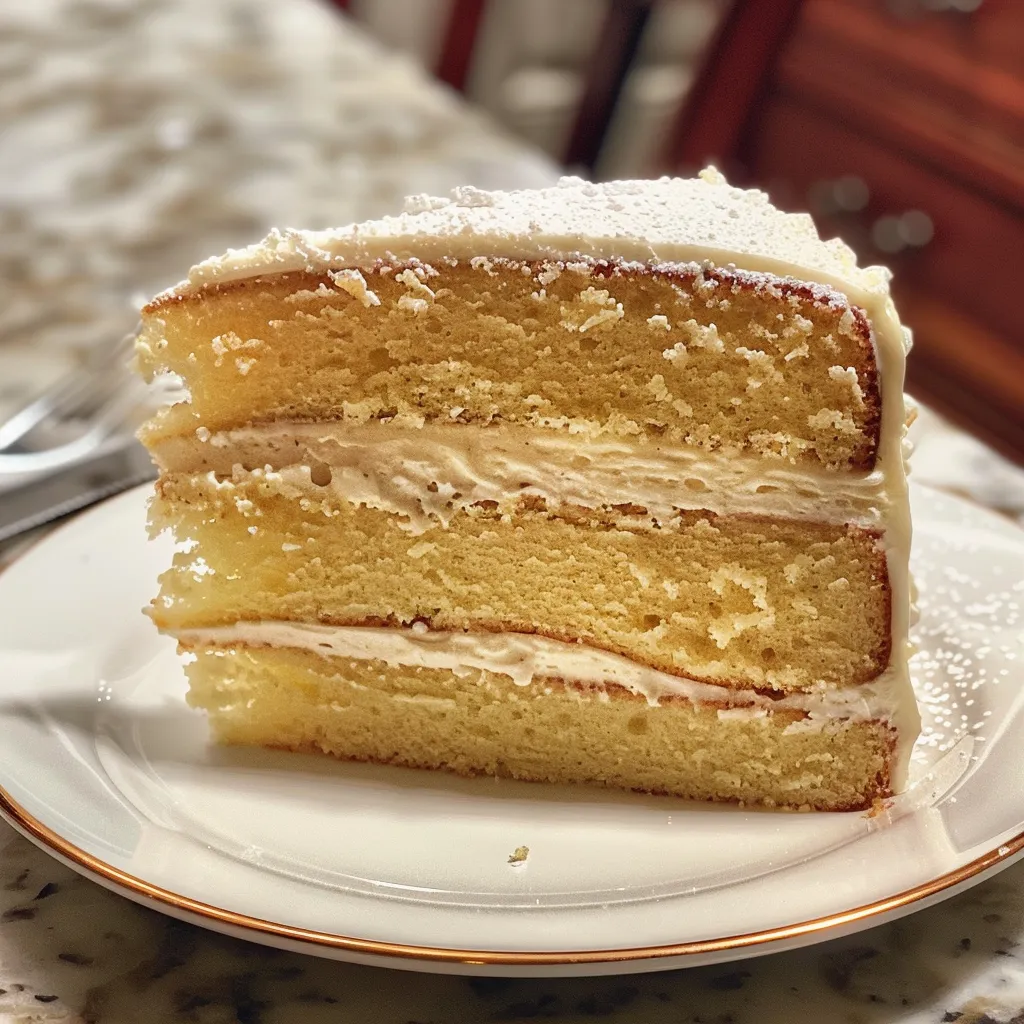
Vanilla Cake
Ingredients
Dry Ingredients
- 4 cups cake flour ((480 g))
- 2 teaspoons baking powder ((10 ml))
- 1 teaspoon baking soda ((5 ml))
- 1 teaspoon salt ((5 ml))
Wet Ingredients
- 170 g coconut oil (room temperature)
- 170 g butter (room temperature (1.5 sticks))
- 2.5 cups granulated sugar ((500 g))
- 8 egg whites egg whites
- 2 tablespoons vanilla bean paste
- 2 teaspoons vanilla extract
- 1 teaspoon imitation vanilla extract ((optional))
- 1 teaspoon almond extract ((optional))
- 2 cups buttermilk ((480 ml))
- 226 g butter (2 sticks (226 g or 1 cup))
- 226 g cream cheese ((8 ounces))
- 0.5 teaspoon salt
- 0.5 teaspoon almond extract ((optional))
- 2 tablespoons vanilla bean paste or vanilla
- 6-8 cups powdered sugar
Instructions
- Preheat oven to 350°F (180°C). Grease three 8" pans and line with parchment.
- Mix flour, baking powder, baking soda, and salt. Set aside.
- Cream butter, coconut oil, and sugar until light, about 5 minutes. Add egg whites and whip 1-2 minutes. Mix in extracts.
- Alternate adding dry mixture and buttermilk, starting and ending with dry. Divide batter into pans.
- Bake for 35-40 minutes until a toothpick comes out clean.