

Welcome to the Heart of Baking: A Vanilla Sponge Cake Journey
There’s something profoundly nostalgic about the scent of a freshly baked vanilla sponge cake wafting through the air. It takes me back to my grandmother’s kitchen in Louisiana, where the warmth of family and the joy of cooking intertwined. This vanilla sponge cake recipe isn’t just a collection of ingredients; it’s a love letter to the memories we create around the table. In this comprehensive guide, we’ll explore not just how to make this delightful cake but also the stories and traditions that make it special.
Why You’ll Love This Recipe
This recipe is not just about baking; it’s about embracing the moments that make life sweet. Here are a few reasons why you’ll cherish this vanilla sponge cake:
- Simple and Authentic: Made with straightforward ingredients, this cake reflects the beauty of simplicity in cooking.
- Light and Fluffy Texture: Achieve that perfect spongey feel that melts in your mouth, balancing moisture and airiness.
- Versatile Base: This cake serves as a canvas for numerous fillings and frostings, allowing your creativity to shine.
- Perfect for Celebrations: Whether it’s a birthday or a Sunday family gathering, this cake brings everyone together.
- Easy to Make: Even novice bakers will find joy in creating this delightful treat.
Ingredients Breakdown
To whip up your own vanilla sponge cake, gather these ingredients:
- 125 g Maida (Plain Flour): Provides the structure; can be substituted with whole wheat flour for a healthier option.
- 125 g Butter: Use unsalted butter for better control over the cake’s flavor.
- 125 g Powdered Sugar: For sweetness and a smooth texture.
- 2 Eggs: Essential for binding and creating that airy lift.
- 1/2 tsp Baking Powder: Helps the cake rise beautifully.
- 1/4 tsp Baking Soda: Adds lightness and moisture.
- 1/3 tsp Vanilla Essence: The star flavor that elevates this cake.
- Salt (a small pinch): Enhances sweetness and balances flavors.
- 25 g Butter (for icing): Adds richness to the frosting.
- 25 g Icing Sugar: Sweetens your frosting to perfection.
- 1/8 tsp Vanilla Essence (for icing): Ties the flavor of the cake and icing together.
How to Make Vanilla Sponge Cake
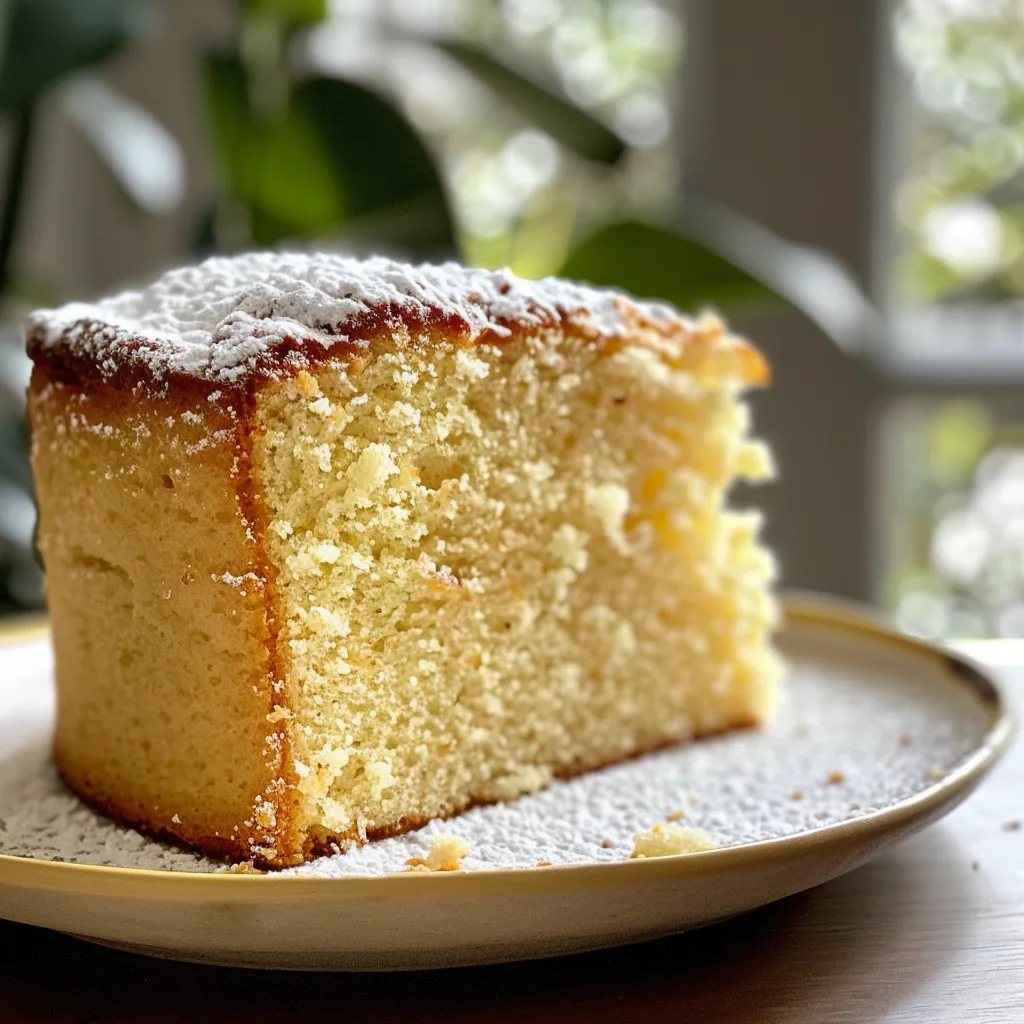
Follow these steps to create your vanilla sponge cake:
- Preheat the oven to 180°C (350°F).
- Beat the butter and powdered sugar until frothy; this creates a light texture.
- Break the eggs into the butter mixture and mix until combined.
- Add vanilla essence to enhance the cake’s flavor.
- Sieve together the maida, salt, baking powder, and baking soda in a separate bowl.
- Gradually add the dry mix into the butter mixture, folding it carefully with a spatula to maintain airiness.
- Transfer to a greased and floured cake tin, smoothing the surface for even baking.
- Bake in the preheated oven for 45 minutes or until the top is golden brown and a skewer inserted into the center comes out clean.
- Remove and allow to cool before de-moulding and transferring to a wire rack to cool completely.
Pro Tips for Baking Success
To ensure your vanilla sponge cake turns out perfectly every time, here are some expert insights:
- Room Temperature Ingredients: Ensure your butter and eggs are at room temperature to achieve a better emulsion.
- Don’t Overmix: Overmixing can lead to a dense cake; mix until just combined.
- Use Fresh Ingredients: Fresh eggs and baking powder make a significant difference in the rise and flavor.
- Check Oven Temperature: Use an oven thermometer to ensure your oven is at the right temperature, as inaccuracies can affect baking.
- Cooling Time: Let the cake cool in the tin for a few minutes before transferring it to a wire rack to avoid sogginess.
- Experiment with Flavors: Try adding a pinch of lemon zest or almond extract for a twist on the classic flavor.
- Frosting Choice: A simple buttercream or whipped cream pairs beautifully with this cake.
- Keep It Moist: Brush the cooled cake with a simple syrup to add moisture before frosting.
Common Mistakes and Troubleshooting
Even the most seasoned bakers can encounter hiccups. Here’s how to fix common issues:
- Cake is Too Dense: This often results from overmixing or using too much flour. Ensure you measure your ingredients accurately.
- Cake Is Dry: This can happen from overbaking. Keep a close eye on your cake during the last few minutes of baking.
- Cake Sinks in the Middle: This may indicate underbaking or not enough leavening agent. Always use fresh baking powder and adjust baking time as needed.
- Crust Is Too Tough: If the crust is hard, it could be due to high oven heat or baking too long. Adjust the temperature and time accordingly.
Delicious Variations to Try
This vanilla sponge cake is a wonderful base for various flavors. Here are some delightful variations you can try:
- Chocolate Vanilla Sponge: Add 2 tablespoons of unsweetened cocoa powder to the dry ingredients for a rich chocolate twist.
- Lemon Zest Sponge Cake: Incorporate the zest of one lemon into the batter for a refreshing citrus flavor.
- Almond Vanilla Cake: Substitute half the vanilla essence with almond extract for a nutty aroma.
- Berry Layered Cake: Make layers with whipped cream and fresh berries for a beautiful and delicious dessert.
Storage and Make-Ahead Instructions
Planning ahead? Here’s how to store your cake:
- Room Temperature: Keep the cake covered at room temperature for 2-3 days.
- Refrigeration: For longer storage, refrigerate in an airtight container for up to a week.
- Freezing: Wrap the cooled cake tightly in plastic wrap and foil. Freeze for up to 3 months; defrost in the refrigerator before serving.
Frequently Asked Questions
Here are some common questions about making a vanilla sponge cake:
- Can I substitute all-purpose flour for maida? Yes, but the texture may differ slightly.
- How do I know when the cake is done? A skewer inserted into the center should come out clean.
- Can I use margarine instead of butter? Yes, but it may alter the flavor and texture slightly.
- Is this cake suitable for layering? Absolutely! It’s perfect for layered cakes with frosting and fillings.
- Can I add fruits to the batter? Yes, fold in gently to avoid deflating the batter.
- How should I frost the cake? A simple buttercream or whipped cream complements this vanilla sponge beautifully.
- What’s the best way to serve this cake? It’s delightful as is, but can be dressed up with fresh fruit or a dusting of icing sugar.
- How long does this cake last? If stored properly, it can last up to a week in the fridge.
Nutritional Tips and Dietary Adaptations
For those mindful of dietary needs, consider these adaptations:
- Gluten-Free Option: Use a gluten-free flour blend instead of maida to make it suitable for gluten-free diets.
- Lower Sugar: Reduce the sugar by half and add a bit of honey or maple syrup for sweetness.
- Dairy-Free: Substitute butter with coconut oil or a plant-based butter alternative.
- Whole Wheat Flour: For a heartier texture, use whole wheat flour instead of maida; just note that it may be denser.
Essential Equipment for Baking
Here’s what you’ll need to bake your vanilla sponge cake:
- Mixing Bowl: A large mixing bowl for combining ingredients.
- Electric Mixer: For beating butter and sugar to create that light texture.
- Measuring Cups and Spoons: Accurate measurements are crucial in baking.
- Spatula: For folding the batter gently.
- Cake Tin: A round or square tin, greased and floured, to bake your cake.
- Cooling Rack: Essential for cooling your cake evenly after baking.
Serving Suggestions
To present your vanilla sponge cake beautifully, consider these serving ideas:
- Dust with Powdered Sugar: A simple dusting adds elegance without overpowering the cake’s flavor.
- Top with Fresh Berries: Strawberries, blueberries, or raspberries add a vibrant touch and a burst of flavor.
- Layer with Cream: Whipped cream or custard between layers elevates the cake’s appeal.
- Serve with Ice Cream: A scoop of vanilla or berry ice cream pairs wonderfully with the cake.
Conclusion: The Joy of Baking Together
As we wrap up this journey through the world of vanilla sponge cake, remember that baking is more than just creating a dessert; it’s about sharing love, stories, and memories with those we cherish. Whether you’re baking for a celebration or just to indulge, this cake brings warmth to the heart and home. So gather your loved ones, roll up your sleeves, and let the sweet aroma of vanilla fill your kitchen. Thank you for joining me in this delightful adventure, and may every bite of your cake carry the love and joy of your kitchen into the hearts of those you share it with.
Vanilla Sponge Cake
Ingredients
Main Ingredients
- 125 g Maida (Plain Flour)
- 125 g Butter
- 125 g Powdered Sugar
- 2 eggs Eggs
- 0.5 tsp Baking Powder
- 0.25 tsp Baking Soda
- 0.33 tsp Vanilla Essence
- a small pinch Salt
- 25 g Butter (for filling)
- 25 g Icing Sugar
- 0.125 tsp Vanilla Essence (for filling)
Instructions
- Preheat oven to 180°C. Beat butter and sugar until frothy.
- Add eggs one at a time and mix. Add vanilla essence.
- Sieve together flour, salt, baking powder, and baking soda.
- Gradually fold dry ingredients into wet mixture. Pour into greased tin.
- Bake for 45 minutes until golden. Cool before serving.


